
How to Spray Paint Indoors: A Step-by-Step Guide for DIY Perfection
Achieving a flawless, professional-grade finish on furniture, cabinets, or architectural elements indoors once seemed like a task reserved for professional contractors. However, with the right knowledge, specialized tools, and meticulous preparation, spray painting indoors is an incredibly accessible and rewarding DIY project. It offers a speed and consistency that brushing or rolling simply cannot match.
While the final result can look museum-quality, the process itself requires discipline and an unwavering focus on safety. Because you are working with solvents and fine particulates, understanding the chemistry, mastering the technique, and maintaining impeccable ventilation are not optional—they are the cornerstones of a successful, safe, and durable paint job. This guide will walk you through every step, transforming what seems daunting into a manageable, step-by-step process.
Get the Fail-Safe Paint Color Playbook (Free PDF)
36 proven colors • 8 ready palettes • trim & sheen guide • printable testing cards.
Quick answer: To spray paint indoors successfully, you must prioritize safety and prep work. Secure maximum ventilation, wear a proper respirator (rated for organic vapors), thoroughly degrease and sand the surface, apply a specialized primer, and follow the overlapping technique (maintaining 6-8 inches distance and overlapping passes by 50%) for multiple thin coats.
Planning Before You Start: Assessing Your Project
Before you even open a can of paint, take a moment to assess the scope of your project. A successful paint job is 90% preparation and 10% application. Understanding your constraints—the surface, the space, and your time—will save you immense frustration and wasted materials.
Surface Assessment: What are you painting? Is it bare, porous wood, slick metal, or painted laminate? Each substrate demands a specific cleaning, sanding, and priming protocol. For example, bare metal requires an oil-based rust primer, while porous wood may need a specialized wood sealant. Identify any existing damage, such as deep scratches, veneer chips, or rust spots, and plan to fill and sand these imperfections *before* priming. Never skip this step, as these flaws will show through the final coat.
Space and Environment Assessment: Since you are working indoors, ventilation is paramount. Can you physically seal off the area you are working in? If the project is large (like a full kitchen set of cabinets), you must plan for a contained workspace, such as a professional spray booth or a heavily taped-off zone with industrial exhaust fans. Consider the humidity and temperature; high humidity can affect paint drying time and adhesion, while extreme cold can cause solvents to thicken and perform poorly. Set realistic timelines, remembering that “drying” is not the same as “curing.”
Materials and Tools: Building Your Spray Painting Kit
Gathering the right equipment is crucial. You have choices, and the best choice depends on your project scale and budget.
- Equipment Comparison: For large projects (cabinets, railings), a dedicated HVLP (High Volume Low Pressure) spray gun is vastly superior to aerosol cans, providing better coverage and control. For small, contained items (a single chair, small decorative piece), high-quality aerosol cans can be sufficient, but they offer less control.
- Paint Selection: Always opt for low-VOC (Volatile Organic Compound) or water-based paints designed for indoor use. These paints are formulated to minimize harmful fumes while still delivering the necessary durability.
- Consumables List: You will need specialized masking tape (painter’s tape that adheres well but removes cleanly), industrial-grade drop cloths, mineral spirits or specialized degreasers (never use household cleaners like Windex), and, most importantly, a proper respirator system.
The Main Guide: Step-by-Step Mastery
Follow these steps in order for the best results. Do not skip any step, especially cleaning and priming.
1. Deep Cleaning and Surface Prep (The Most Critical Phase)
This phase ensures proper adhesion—the chemical bond between the paint and the surface. First, strip the surface down to the appropriate level. Sanding is not just about smoothing; it’s about creating a “tooth” for the paint to grip. Use a progression of sandpaper grits (e.g., 80 grit for rough sanding, 120 grit for smoothing, and 220 grit for final prep). After sanding, thoroughly wash the entire piece using a strong degreaser to remove oils, wax, and grease. Rinse completely with clean water and allow the piece to dry fully.
2. Primer Application
Primer is non-negotiable. It acts as a uniform barrier coat, ensuring that the paint adheres consistently regardless of whether the substrate is metal, plastic, or bare wood. Apply the primer according to the manufacturer’s directions, typically using a light, even coat. Allow the primer to dry completely before moving to the next step.
3. The Painting Process: Technique for Consistency
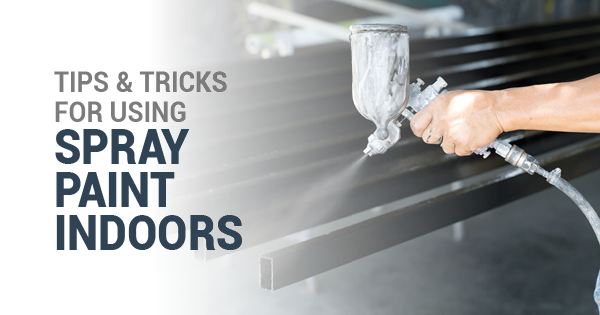
When it’s time to apply the color coat, treat the paint like a curtain—apply it in smooth, overlapping passes, rather than straight lines. Maintain a consistent distance from the surface, ideally 6 to 8 inches. Start with a light, even dusting coat (a “tack coat”). Once dry, apply subsequent coats, remembering to overlap each pass by at least 50%. Thin, even coats are far better than thick, heavy ones, as thick coats are prone to drips, runs, and uneven texture.
4. Finishing and Curing
After the final coat, allow the paint to dry completely. Drying time is the time until the surface feels dry to the touch; curing time is the time required for the paint to reach maximum hardness and chemical stability. Most enamels require several days to fully cure. Once the paint has cured, apply a protective clear coat. This final layer seals the finish, enhances the color, and protects the piece from scuffs and moisture.
Design and Color Tips: Achieving the Perfect Aesthetic
The final look of your painted piece is determined as much by the finish (sheen) as by the color itself. Understanding sheen is key to achieving a professional aesthetic.
Sheen Selection:
- Matte/Flat: Absorbs light and is ideal for walls or pieces where you want a velvety, non-reflective look. It hides imperfections well but is generally the least durable and hardest to clean.
- Satin: Offers a slight, soft luster. This is the most versatile choice for furniture and cabinetry, providing a good balance between durability, cleanability, and aesthetic appeal.
- Semi-Gloss/Gloss: Highly durable and very easy to wipe clean, making it perfect for high-touch areas like kitchen cabinets, hardware, or bathroom fixtures. However, it will highlight every imperfection on the surface, so prep work must be flawless.
Color Compatibility: When painting furniture, consider the color of the hardware, legs, and any existing trim. Use paint undertones that complement the surrounding elements (e.g., if your flooring is warm oak, choose an enamel with warm, creamy undertones rather than cool, blue-based grays). Always test your color and finish on a small, inconspicuous area first to see how it reacts to the specific indoor lighting in your room.
Mistakes to Avoid: Troubleshooting Common Setbacks
Even experienced DIYers encounter setbacks. Knowing these common pitfalls will save you time, frustration, and costly paint cans.
The Grease Trap: The single most common mistake is inadequate degreasing. If you do not remove all surface oils (from hands, furniture polish, etc.), the paint will not bond properly and will peel or flake off within weeks, even if it looks fine initially. Always degrease with appropriate solvents.
Skipping the Primer: Never paint directly onto a bare, raw, or highly porous surface without a primer. The paint will absorb unevenly, leading to patchy color and poor adhesion. The primer is the chemical glue that makes the whole process work.
Over-Application: Applying paint too thickly is tempting, but it leads to drips, runs, and a gummy, unprofessional finish. Instead, it is far better to apply three or four thin, even coats than one thick, sloppy coat.
Safety and Practical Notes: The Non-Negotiables
Safety cannot be overstated. Working with paint solvents, even low-VOC varieties, releases chemical fumes and fine particles that are hazardous to breathe and can pose fire risks. Treat this process with the respect it deserves.
Mandatory PPE Checklist: You must wear more than just a dust mask. A proper respirator rated for organic vapors is essential. Additionally, always wear safety goggles (to protect against splatters) and nitrile gloves (to protect skin from solvents).
Ventilation Protocol: Set up industrial-grade ventilation. This means using an exhaust system that pulls air *out* of the workspace, ideally coupled with fresh air intake. Simply opening a window is insufficient; you must actively remove the fumes. Never spray paint in a confined, unventilated space. Ensure all electrical equipment used near the workspace is rated for chemical environments.
Disposal and Cleanup: Never pour paint, solvents, or thinners down the drain. Follow local municipal guidelines for chemical waste disposal. Clean your equipment thoroughly using the recommended solvents and dispose of rags and used materials in sealed containers, adhering to fire safety protocols.
Frequently Asked Questions
What is the most critical safety equipment I need?
Safety must be the top priority. You cannot rely on a simple dust mask. You must use a proper respirator rated specifically for organic vapors. In addition to the respirator, always wear safety goggles to protect against splatters and nitrile gloves to prevent skin contact with solvents. Crucially, the workspace must be set up with industrial-grade exhaust fans that actively pull fumes *out* of the area, rather than just opening a window.
Get the Fail-Safe Paint Color Playbook (Free PDF)
36 proven colors • 8 ready palettes • trim & sheen guide • printable testing cards.
How do I prepare tricky, non-porous surfaces like plastic or laminate?
These surfaces are notoriously slick and require extra steps to ensure proper adhesion. Before sanding, you must thoroughly degrease the area using a specialized solvent or degreaser—never household cleaners. After sanding, apply a specialized adhesion or bonding primer designed for plastics or laminates. This primer acts as the necessary chemical grip, ensuring the paint does not peel or flake off when the substrate is non-absorbent.
This is a common point of confusion. “Drying time” is simply how long it takes for the surface to feel dry to the touch. “Curing time” is the much longer period required for the paint to chemically harden and reach its maximum strength and durability. While you can handle the piece after it dries, it will be soft and susceptible to damage until it has fully cured, which can take several days or even weeks depending on the paint type and humidity.
How many coats should I apply, and what is the best technique?
It is far better to apply multiple thin, even coats than to apply one thick coat. Thick coats are prone to drips, runs, and poor texture. When applying, maintain a consistent distance—ideally 6 to 8 inches—and think of your passes like laying a curtain. You must overlap each subsequent pass by at least 50% to ensure smooth, even color coverage and eliminate visible lines.
Conclusion: Your Professional DIY Finish
Spray painting indoors is a sophisticated skill, but one that is entirely within the grasp of a determined DIY enthusiast. The difference between a mediocre finish and a professional masterpiece lies not in the paint itself, but in the meticulous execution of the process—from the initial deep degreasing to the final application of the clear coat. Approach the project with patience, respect the safety guidelines, and remember that the preparation phase is the single most impactful step toward success.
By following these comprehensive guidelines, you are equipped to handle the challenges of any surface, achieving a durable, beautiful, and truly professional-looking finish that will elevate your home’s aesthetic for years to come.