The Ultimate Guide: What Brush To Use With Chalk Paint for DIY Projects
Chalk paint has captured the hearts of DIY enthusiasts worldwide. Its unique, velvety matte finish allows furniture and decor to take on a beautiful, aged patina, giving every piece a distinct, handcrafted character. This makes it an incredibly popular choice for giving old pieces a dramatic, farmhouse rustic, or vintage glow.
However, the magic of chalk paint is deeply intertwined with the tools used to apply it. Simply pouring paint on a surface is not enough; achieving that signature professional, flawless finish requires knowing exactly which brush to select. Because the finish is so critical to the overall look, selecting the right brush can feel overwhelming, given the variety of options available.
Get the Fail-Safe Paint Color Playbook (Free PDF)
36 proven colors • 8 ready palettes • trim & sheen guide • printable testing cards.
Quick answer: For what brush to use with chalk paint, start by identifying the surface condition, gathering the right supplies, and working in a well-ventilated area. Prep carefully, test a small area when possible, follow manufacturer directions, and use thin, controlled steps so the result is safer, cleaner, and easier to correct if something looks wrong.
This comprehensive guide will demystify the process of brush selection. We will move beyond simple definitions to give you a practical decision-making framework, helping you choose the optimal combination of brushes to match your project’s surface, desired style, and paint type, ensuring your DIY masterpiece looks professional from the first coat to the final seal.
Planning Before You Start: Assessing Your Project
Before you even open the paint can, effective planning is the most crucial step. The success of your chalk paint project relies heavily on understanding three elements: the substrate (what you are painting), the desired effect (the style), and the tools you have on hand.
First, assess the surface. Is it highly textured, like raw reclaimed wood? Is it smooth, like painted metal? Is it porous, like unsealed stone? Different materials require different levels of preparation and adhesion techniques. For wood, sanding is key; use a medium grit (like 120-150) to rough up the surface slightly, creating ‘tooth’ for the paint to grip. If the surface is metal, ensure it is thoroughly cleaned of rust and grease, perhaps using a wire brush or specialized metal cleaner, and let it dry completely. Never skip this prep step, as poor adhesion is the number one cause of paint failure.
Next, consider the intended finish. Do you want a smooth, uniform look (which might require a larger, softer brush)? Or do you want a distressed, aged, or rustic look (which calls for dry brushing or small detail brushes)? Matching the tool to the artistic technique you plan to use will save you time and frustration later.
The Decision Guide: Choosing the Optimal Brush
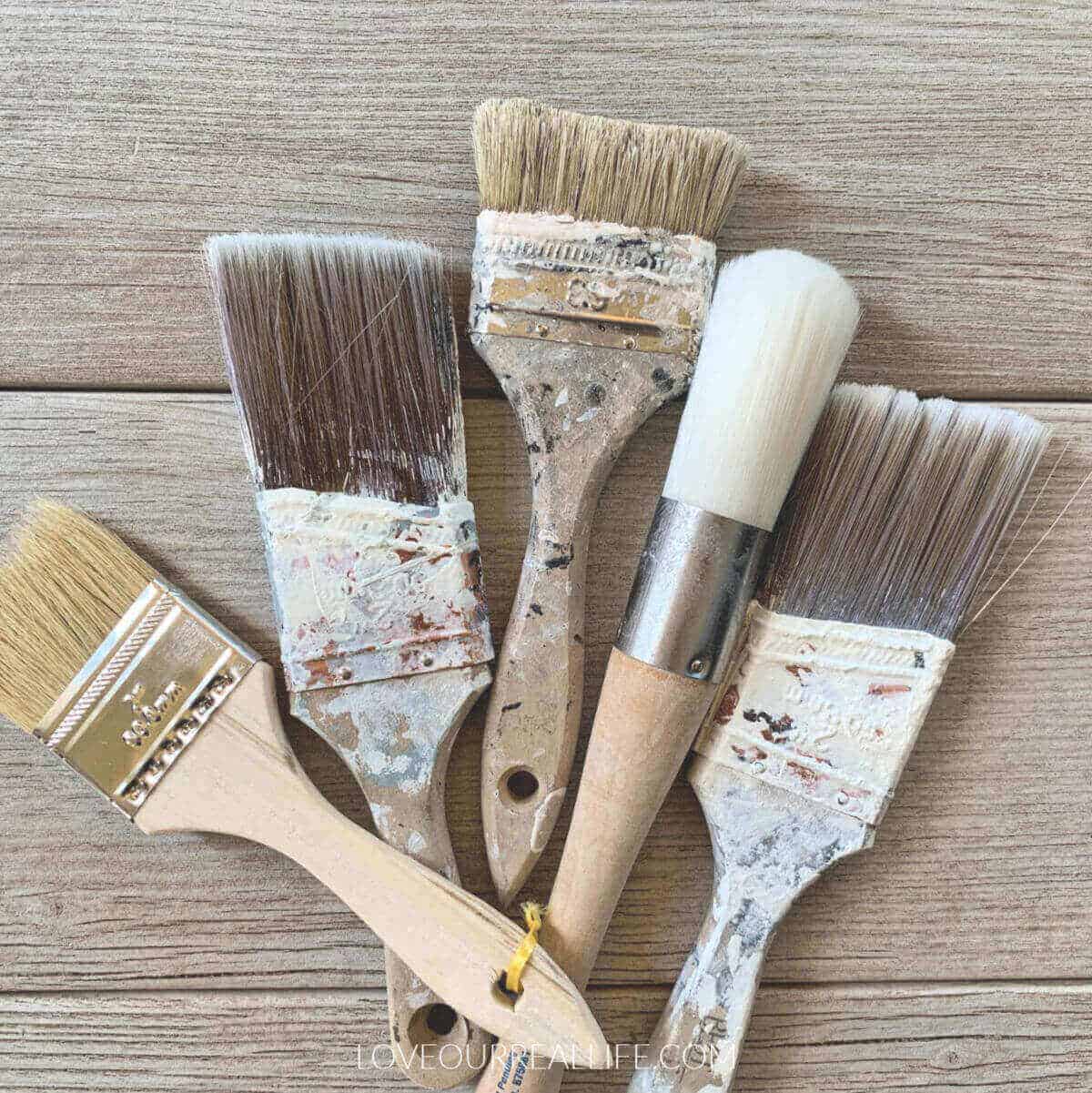
The world of brushes can be broken down into four main categories. While each has unique properties, their suitability for chalk paint is defined by their fiber type, shape, and the application technique.
Natural Bristle Brushes: The Finish Specialists
Natural bristle brushes, typically made from hog hair, are highly prized in professional painting for their ability to hold and distribute paint evenly, resulting in a smooth, luxurious finish. They are excellent for large, open areas that need uniform coverage.
- Best Use: Large, flat surfaces (like cabinet sides or large panels) and traditional, smooth finishes.
- Ideal Paint: Oil-based paints or specialized chalk paint formulations designed for natural bristles.
- Pros: Excellent paint capacity; provides a superior, professional flow.
- Cons: Can be expensive; require specialized cleaning; less suited for water-based formulations.
Synthetic Bristle Brushes: The Versatile Workhorses
Synthetic brushes, often made from nylon or polyester, are the most versatile choice for the average DIYer. They are durable, easy to clean, and are specifically formulated to handle water-based paints, which includes most commercial chalk paints. They are the go-to choice for general application.
- Best Use: General coverage on smaller to medium-sized furniture pieces; modern, clean finishes.
- Ideal Paint: Water-based chalk paints.
- Pros: Highly durable, easy to clean, and safe for most water-based chalk paints.
- Cons: Can sometimes leave visible brush strokes (though quality brushes minimize this); may require more frequent dipping into the paint than natural bristles.
Detail Brushes: The Artistry Tools
Detail brushes are miniature versions of standard brushes, designed with fine, stiff bristles. These are not for covering large areas; they are for adding character and precision.
- Best Use: Edging, painting corners, creating simulated wear, stenciling, and highlighting intricate designs.
- Ideal Technique: Dry brushing, distressing, and accent work.
- Pros: Precision is unmatched; essential for achieving a high degree of realism in aged effects.
- Cons: Slow work pace for large areas; require steady hands.
Foam Brushes: The Quick Coverage Helpers
Foam brushes are soft, sponge-like tools that are incredibly inexpensive and useful for quick, low-detail coverage, particularly in hard-to-reach spots. They are excellent for touch-ups or sealing small, irregular areas.
- Best Use: Filling in small gaps, covering irregular surfaces, or applying sealant to non-porous areas.
- Ideal Paint: Water-based paints.
- Pros: Very affordable; gentle application; good for smooth, uniform coverage on small spots.
- Cons: Poor paint retention; can easily leave air bubbles or an uneven, spongy texture if not used carefully.
Advanced Application Techniques and Tool Pairing
The brush choice often dictates the technique. Understanding these techniques allows you to select the perfect tool and maximize your effort.
Dry Brushing for Patina
This is the signature technique for achieving an aged, distressed, or worn look. Instead of loading the brush heavily with paint, you barely dip it into the paint, wipe most of the excess off, and then drag the bristles lightly across the surface. The paint only catches the raised grain or imperfections of the wood, creating a subtle, beautiful patina. For this technique, a medium-sized synthetic or natural bristle brush works best, as it allows for controlled, light strokes.
Stenciling and Pattern Work
If your goal is to create geometric patterns or highly detailed motifs, a dedicated detail brush is mandatory. For larger stenciled areas, you may use a slightly stiffer synthetic bristle brush to ensure the paint transfers cleanly through the stencil material without bleeding.
The Importance of Sealing and Waxing
Chalk paint is porous and designed to be highly breathable, which is great for achieving that matte, vintage look. However, this porosity means it is susceptible to wear and water damage. Once your paint is fully cured (check manufacturer instructions—this can take days or even weeks), you must apply a protective sealant or wax. While the brush type is less critical here, using a clean, soft synthetic bristle brush or a lint-free cloth is best for applying the wax or sealant evenly and buffing out any excess residue.
Design and Color Tips: Beyond the Brush
While the brush is the tool, the finish and the color decisions are what define the final aesthetic. Remember that the perceived color of chalk paint will change dramatically based on the lighting and the undertones of the wood underneath.
Understanding Undertones and Lighting: If you are painting natural wood, the underlying wood tone (the undertone) will bleed through the paint, no matter how opaque the paint is. For example, a reddish oak will show red undertones even when painted a neutral gray. Always test your color in the actual room, at different times of day, to account for natural light shifts. Yellow sunlight can warm up a cool gray, while dim evening light can deepen the color.
Finish and Sheen: Chalk paint inherently provides a matte, low-sheen finish. If you desire a slightly more durable, washable surface (especially on high-traffic items like dining tables), the final application of a clear sealant or wax is crucial. The sealant will slightly deepen the color and add a subtle, protective sheen without losing the characteristic matte feel.
Color Pairing for Depth: When pairing colors, consider the contrast between the paint and the existing hardware (knobs, drawer pulls). If your paint is a deep, moody blue, pairing it with polished brass or gold hardware can elevate the piece. Conversely, a soft, washed-out color palette works beautifully with matte black or oil-rubbed bronze hardware for a modern farmhouse contrast.
Mistakes to Avoid
To ensure your project stays stress-free, be mindful of these common pitfalls:
- Skipping the Surface Prep: Never apply chalk paint to a dirty, greasy, or un-sanded surface. The paint will simply sit on top and will flake off when touched or exposed to moisture.
- Using the Wrong Brush for the Finish: Trying to achieve a delicate, distressed look with a large, stiff brush will result in thick, uneven paint deposits. Always use a detail brush for distressing.
- Ignoring Curing Time: Just because the paint feels dry to the touch does not mean it is ready for use or sealing. Chalk paint requires a long curing time (often 7-14 days) before sealants can be applied, or the paint may be compromised.
- Using Harsh Cleaners on Brushes: Never use abrasive cleaning agents on your brushes. This can damage the natural or synthetic fibers, making them shed prematurely or lose their ability to hold paint.
Safety and Practical Notes
DIY projects are rewarding, but safety must always be the top priority. Please take these guidelines seriously:
Ventilation: When sanding, stripping, or working with solvents, stains, or sealers, always ensure excellent cross-ventilation. Open windows and use fans to move air out of the workspace. Never work in a confined space.
Personal Protective Equipment (PPE): When sanding or dealing with old paint, wear appropriate PPE, including dust masks (N95 or better), gloves, and safety goggles. If the substrate is suspected to contain lead paint, do not attempt removal yourself; professional abatement services are required.
Handling the Paint: Although chalk paint is generally low-VOC, always check the manufacturer’s Safety Data Sheet (SDS) for specific handling requirements. Keep the paint and solvents away from heat sources or open flames.
When to Call a Professional: While chalk paint is great for furniture, if your project involves structural elements, major wall repair, or painting over suspected mold or mildew, it is best practice to consult a licensed professional. They can assess the underlying material and provide the necessary remediation steps.
Frequently Asked Questions
Which brush type should I buy if I am a beginner?
For most beginners working with standard commercial chalk paints, a good quality synthetic bristle brush is the most versatile and easiest choice. Synthetic brushes are durable, simple to clean, and are specifically formulated to handle water-based paints. However, remember that even the right brush needs proper technique; using a detail brush for distressing and a larger synthetic brush for general coverage is usually the perfect combination.
How do I know when it is safe to seal or wax the paint?
This is the most common mistake: assuming “dry to the touch” means it’s ready. Chalk paint requires a long curing time. While the surface may feel dry after a few hours, the paint must fully cure, which can take anywhere from 7 to 14 days (always check the manufacturer’s specific instructions). Applying a sealant too early will compromise the finish and may cause the sealant to peel or lift.
Get the Fail-Safe Paint Color Playbook (Free PDF)
36 proven colors • 8 ready palettes • trim & sheen guide • printable testing cards.
What if my surface is not wood (e.g., metal or plastic)?
Preparation remains critical, but the cleaning method changes. For metal, thoroughly clean off all rust, grease, and dirt using a wire brush or specialized degreaser, and let it dry completely. For non-porous plastics or materials, ensure they are fully cleaned and lightly abraded (scuffed) with fine sandpaper to give the paint something to grip. If the surface is extremely slick or non-absorbent, you may need to use a specialized bonding agent recommended by the chalk paint manufacturer before applying the paint.
How do I achieve a realistic, distressed patina look?
The key is the technique, not the brush size. Use a medium-sized synthetic or natural bristle brush, but only lightly dip the brush into the paint. Wipe off 80% of the excess paint on a paper towel. Then, drag the bristles very lightly and quickly across the surface. The paint will only catch the raised grain or imperfections of the wood, creating the signature, subtle patina effect.
What safety precautions must I take?
Safety is paramount. Always ensure excellent cross-ventilation when sanding, stripping old paint, or working with solvents. When sanding or dealing with materials that might have been painted decades ago, wear an N95 dust mask, gloves, and safety goggles. If you suspect the substrate contains lead paint, do not attempt removal or sanding yourself; professional abatement services are required.
Conclusion
Choosing the right brush for chalk paint is less about finding a single “best” option and more about understanding the relationship between the brush, the desired style, and the surface you are treating. By pairing the finesse of a detail brush for distressing, the coverage of a synthetic brush for general application, and the care of proper preparation and sealing, you can elevate your DIY skills.
Approach your next project with knowledge and patience. Remember that the care you take in selecting your tools, from the first sanding pass to the final coat of sealant, is what transforms a simple piece of furniture into a beautiful, heirloom-quality piece of art.